
(Produkt nie został jeszcze oceniony)
kompozytor
Verdi, Giuseppe
tytuł
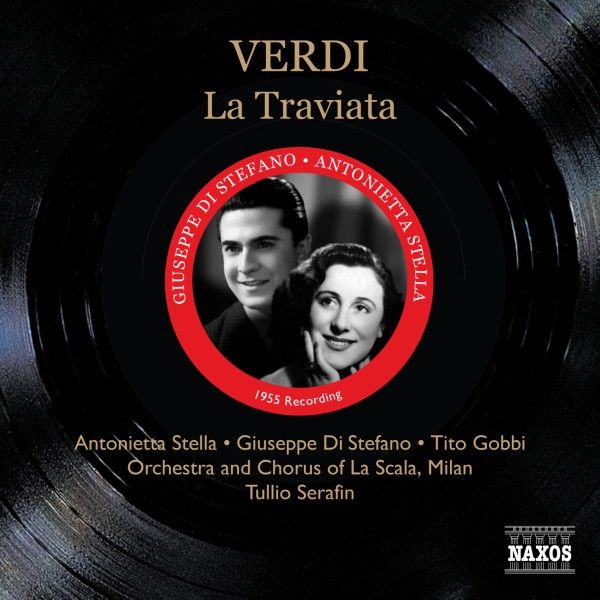
Verdi: Traviata
wykonawcy
Chorus of Teatro alla Scala, Di Stefano, Giuseppe, Dickie, William, Forti, Carlo, Galassi, Elvira, Gobbi, Tito, Maionica, Silvio, Mandelli, Luisa, Orchestra of Teatro alla Scala, Ricciardi, Franco, Serafin, Tullio, Stella, Antonietta, Tatozzi, Vittorio, Zaccaria, Nicola, Zampieri, Giuseppe
nr katalogowy
8.111272-73
opis
Tłumaczenie maszynowe. Angielski oryginał poniżej
Maria Callas nagrała już „La Traviata” dla Cetry, a wytwórnia nie zgadzała się zwolnić jej z zobowiązań kontraktowych, by mogła nagrać dzieło dla nowej wytwórni Columbia, aż do 1959 roku. Rynek domagał się jednak wersji opery w nowym formacie LP, więc Columbia musiała poszukać innej śpiewaczki, która dołączyłaby do sprawdzonego zespołu Di Stefano, Gobbiego i Serafina. Decyzja o nagraniu bez czekania na Callas wywołała między nią a Columbią wiele niechęci, a kolekcjonerzy uznali wydanie za rozwiązanie tymczasowe. Wybór padł ostatecznie na Antoniettę Stellę, której kariera nabierała rozmachu. Miała już za sobą debiuty w mediolańskiej La Scali i londyńskim Covent Garden. Na czas premiery nagrania planowano też jej występ w nowojorskiej Metropolitan Opera.
W innych okolicznościach zwrócilibyśmy uwagę na pełną życia Violettę, doskonale pasującą do pierwszego aktu. Śpiewaczka na ogół precyzyjnie wykonuje wokalne akrobacje, a scena czytania listu w ostatnim akcie jest wyjątkowo przejmująca. Jeśli słychać słabości, to raczej u jej partnerów. Alfredo Di Stefana powinien być bardziej przekonany o własnej racji, a jego śpiew już w pierwszym akcie niemal zapowiada tragiczny finał. Tito Gobbi brzmi za młodo na ojca Alfreda, Giorgia Germonta, i nie jest w dobrej formie wokalnej. To Tullio Serafin, doskonale obeznany z partyturą, nadaje więc nagraniu rangę pięknem orkiestrowego tła.
Obsada mniejszych ról jest nierówna, ale spełnia swoje zadanie, a chór śpiewa z odpowiednim zapałem. Jak wyjaśnia w książeczce realizator remasteringu, w nagraniu występowały zniekształcenia od przesterowania, spotykane na ówczesnych wydaniach Columbii. Wersja na CD brzmi mimo to znacznie lepiej od oryginalnych płyt LP. • David Denton, David’s Review Corner, listopad 2007
Opis z wersji angielskiej
Maria Callas had already recording La Traviata for Cetra, and the label was unwilling to release her from contract to record the work for her new label, Columbia, until 1959. But market pressures to have a version of the opera available in the new LP format and the label had to look elsewhere to complete their established team of Di Stefano, Gobbi and Serefin. That they would not wait until Callas was available created much bad feeling between her and Columbia, and in the event record collectors only looked upon this release as a stopgap. The choice eventually fell on Antonietta Stella who already had a fast growing career including debut appearances at Milan’s La Scala and London’s Covent Garden, and was booked to appear at New York’s Metropolitan Opera at the time that the recording would be released.
In any other circumstances we would be remarking on a vivacious Violetta well suited to the opening act, the vocal acrobatics generally handled with accuracy, while the letter reading in the final act would never have greater poignancy. Indeed if there were weaknesses it came from those around her, Di Stefano’s Alfredo needing a more self-opinionated characterisation, his singing almost predicting the sad end in the opening act. Tito Gobbi sounded too young for Alfredo’s father, Giorgio Germont, and was not in good voice. So it was left to Tullio Serafin, an old hand at the score, to bring distinction to the disc through the beauty of the orchestral backdrop.
The minor characters were rather patchy in quality but workable, while the chorus sang with appropriate gusto. As the transfer engineer explains in the booklet, there was some overloading distortion that was not uncommon in Columbia releases of the period, though the CD transfer is a much improved sound on the original LPs. • David Denton, David's Review Corner, November 2007
nośnik
CD x 2
wydawca
Naxos
data wydania
6.11.2007
EAN / kod kreskowy
747313327225
89,00 zł
Produkt dostepny w niewielkiej ilości.
Wysyłka w ciągu 3 dni roboczych
Darmowa dostawa w Polsce od 300 zł, także kurierem — aktualna oferta.
sprawdź koszty wysyłkiOpinie są moderowane przed publikacją. Nie weryfikujemy, czy ich autorzy kupili lub używali produktu.
Produktu jeszcze nie zrecenzowano, chcesz być pierwszy?
Pozostałe płyty tego wykonawcy

119,00 zł
Verdi, Giuseppe
Verdi: Don Carlo, 1954
8.111132-34

89,00 zł
Verdi, Giuseppe
Verdi: Aida, 1955
8.111240-41

89,00 zł
Verdi, Giuseppe
VERDI: Rigoletto, 1955
8.111242-43

89,00 zł
48,95 zł Najniższa cena: 89,00 zł
Verdi, Giuseppe
Verdi: Falstaff
DVD TDK OPFALF

120,00 zł
Verdi, Giuseppe
Verdi: Otello (2 DVD) Gran Teatre del Liceu, Barcelona 2006
OA 0963 D
95,00 zł
Verdi, Giuseppe
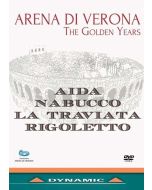
Verdi: Arena di Verona: Golden Years :La Traviata, Aida, Rigoletto, Nabucco
DVD 37732
58,00 zł
Verdi, Giuseppe
Verdi: Overtures & Preludes
8.550091

120,00 zł
Verdi, Giuseppe
Lux Aeterna - VERDI: Messa da Requiem
DVD 101451

89,00 zł
Verdi, Giuseppe
Verdi: Traviata
8.111272-73

89,00 zł